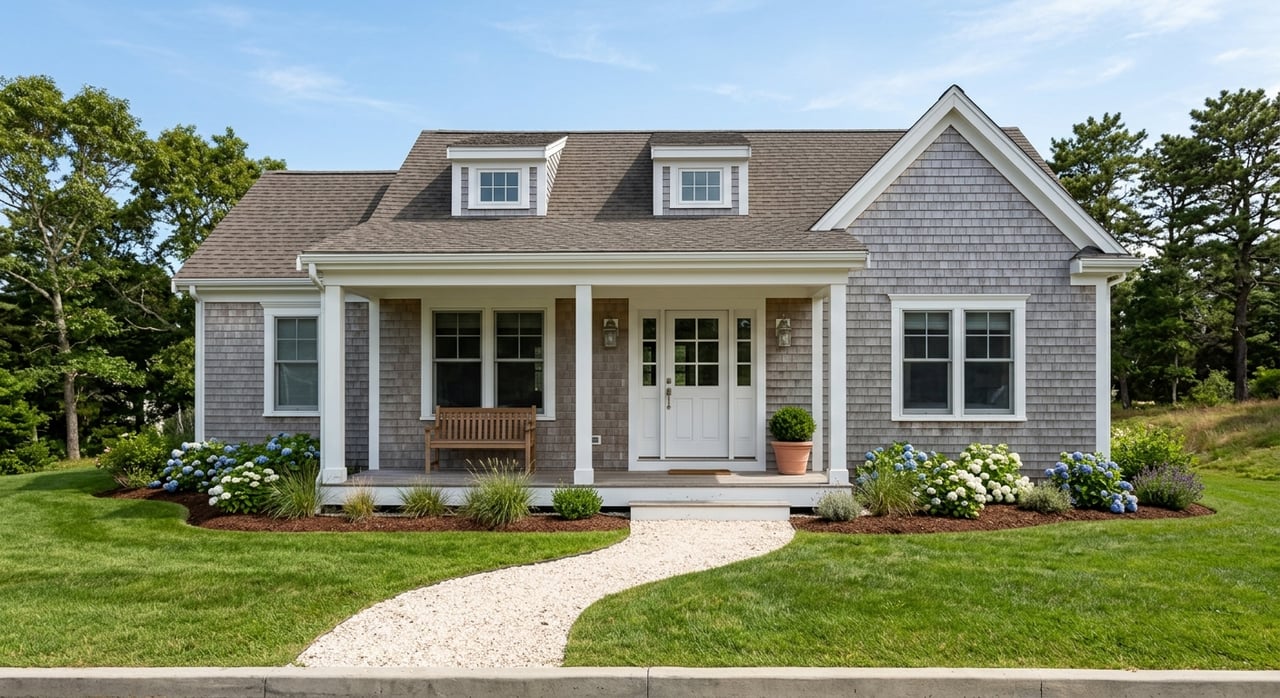
Preparing Your Harwich Home For A Standout Summer Sale
July 9, 2026
July 9, 2026
If you want your Harwich home to stand out in the summer market, preparation matters more than ever. Buyers are still active across Cape Cod, but they are also more selective, especially when condition, presentation, and overall value are under the microscope. The good news is that a smart pre-listing plan can help you reduce stress, avoid last-minute surprises, and launch with confidence. Let’s dive in.
Harwich has a distinctly seasonal housing profile. The town has about 13,598 year-round residents, 10,272 housing units, and roughly 34% of homes are used seasonally, recreationally, or occasionally. That means many summer buyers may be comparing your home not only as a primary residence, but also as a vacation or second-home option.
That context shapes how your home should be presented. Buyers often respond strongly to homes that feel easy to enjoy right away, with clean outdoor spaces, updated maintenance, and a move-in-ready appearance. In a coastal market like Harwich, your listing needs to feel both practical and lifestyle-ready.
Recent Cape Cod data also points to the value of strong preparation. In April 2026, 318 single-family homes and 93 condominiums went under contract across Cape Cod, and the median single-family sales price was $830,000. First-quarter 2026 data showed that single-family homes priced below $1 million moved faster, with a median of 34.4 days on market compared with 77 days for homes at $1 million and above.
Harwich-specific reporting suggests buyers have become more deliberate. In 2025, single-family sales in Harwich fell 6.1% to 185, and the median price declined 3.5% to $800,000. In this kind of market, condition and presentation can carry real weight.
If you are aiming for a summer sale, the best time to prepare is usually well before your listing goes live. Spring often feeds summer closings on Cape Cod, so the work you do ahead of time can directly affect how smoothly your sale unfolds.
An early start gives you room to tackle repairs, sort through paperwork, and confirm whether any local permits or inspections may apply. It also helps you avoid rushed decisions once buyers begin scheduling showings. A calm, organized rollout almost always reads better than a last-minute scramble.
For many Harwich homes, that timing matters because the housing stock is older. About 35% of homes were built between 1950 and 1974, and another 36% were built between 1975 and 1999. That does not mean your home needs a full renovation, but it does mean buyers may pay closer attention to visible wear and upkeep.
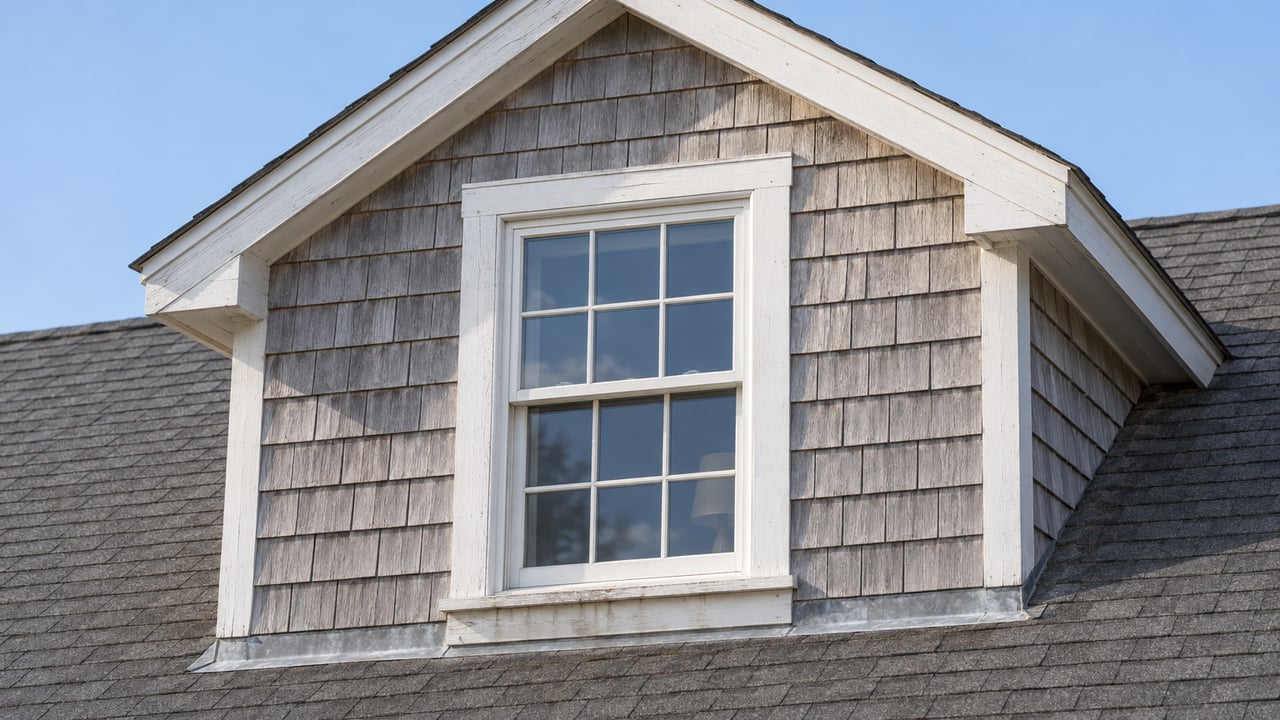
Before listing, start with the items that affect first impressions and signal overall care. In Harwich, practical pre-listing work often includes exterior paint touch-ups, gutter and trim repairs, roof checks, and servicing visible mechanical issues. These are especially worth reviewing in a coastal setting where wind, salt, and weather can speed up wear.
The goal is not perfection. The goal is to show buyers that the home has been maintained and that they are less likely to inherit a long to-do list right after closing. When buyers are value-driven, signs of deferred maintenance can affect both interest and pricing power.
A simple way to prioritize is to split repairs into three groups:
This is where a practical, analytical point of view can be especially helpful. The right pre-sale improvements are usually the ones that support value, reduce objections, and make your home easier for buyers to say yes to.
Some of the most important pre-listing tasks are not cosmetic at all. They are the details that can slow a transaction if you wait too long.
If your home was built before 1978, lead disclosure rules apply. Sellers and agents must disclose known lead information before contract, provide the required lead pamphlet, and allow buyers a 10-day period for inspection or risk assessment.
If your property has a septic system, Title 5 inspection rules may come into play during the sale process. Some transfers are exempt, so it is wise to verify timing and applicability early rather than assuming the same rule applies to every property.
If you plan to make exterior improvements before listing, check Harwich’s permit process first. The town has an online permit application page and an issued-permits page, making it easier to confirm whether your project needs review before work begins.
If your property is near wetlands, dunes, beaches, or other coastal resource areas, extra planning may be needed. Work in a resource area or within the 100-foot buffer zone is generally subject to Conservation Commission jurisdiction and usually a permit process.
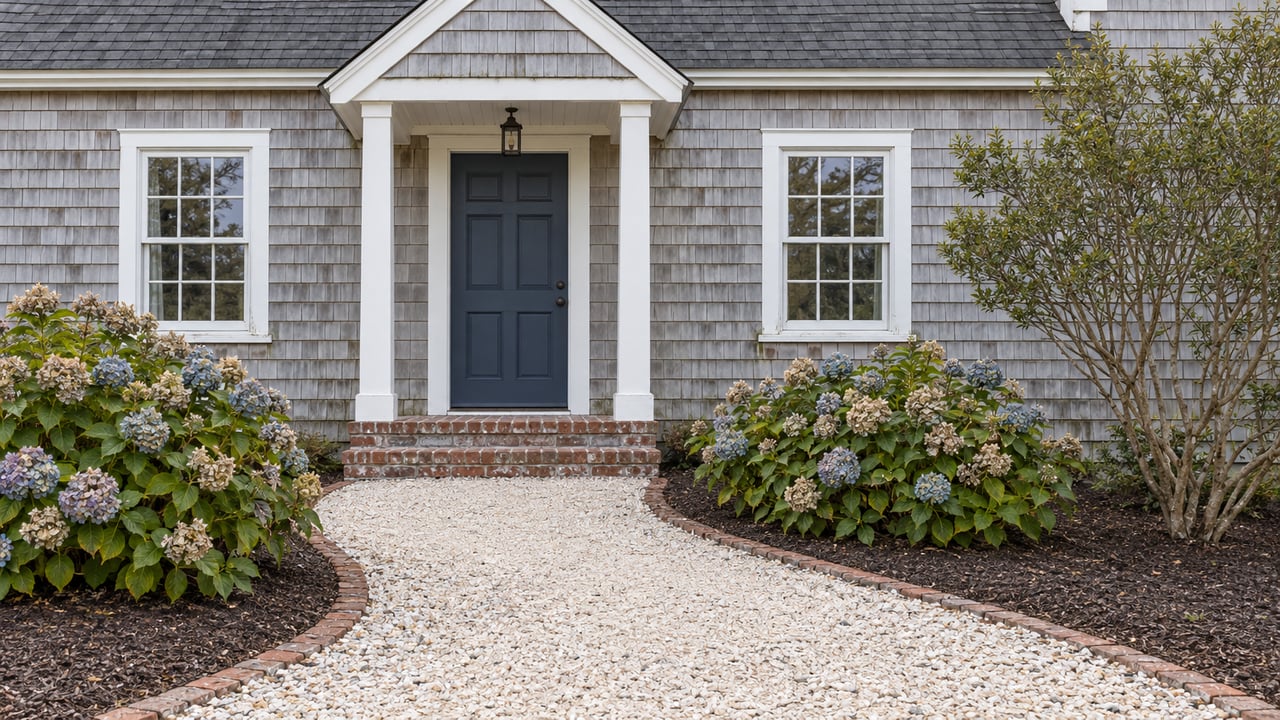
In Harwich, curb appeal is not just about neatness. It is also about working with the realities of a coastal environment.
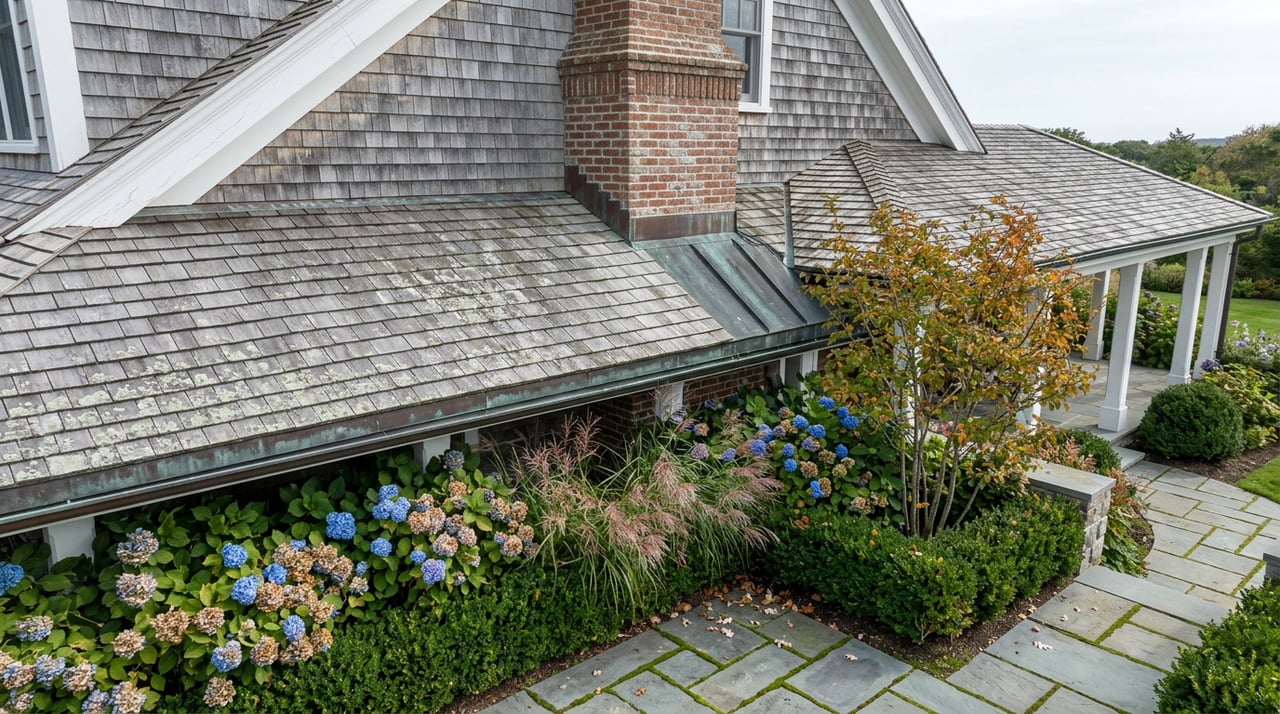
Massachusetts coastal landscaping faces salt spray, wind, poor soil, dry conditions, shifting sands, and storms. Native and naturalized plants adapted to those conditions often need less maintenance and can help with erosion control and soil stability.
The Cape Cod Commission notes that native plants are generally better suited to the region’s sandy soils, cold winters, salt spray, drought, and flooding. They also tend to require less irrigation, fertilizer, and pesticides. For sellers, that supports a smart strategy: aim for a yard that looks tidy, healthy, and manageable rather than overly fussy.
Before photos and showings, focus on visible wins:
Harwich’s transfer station is open seven days a week from 8 a.m. to 4 p.m. most of the year, which can make cleanup easier as you prepare for market.
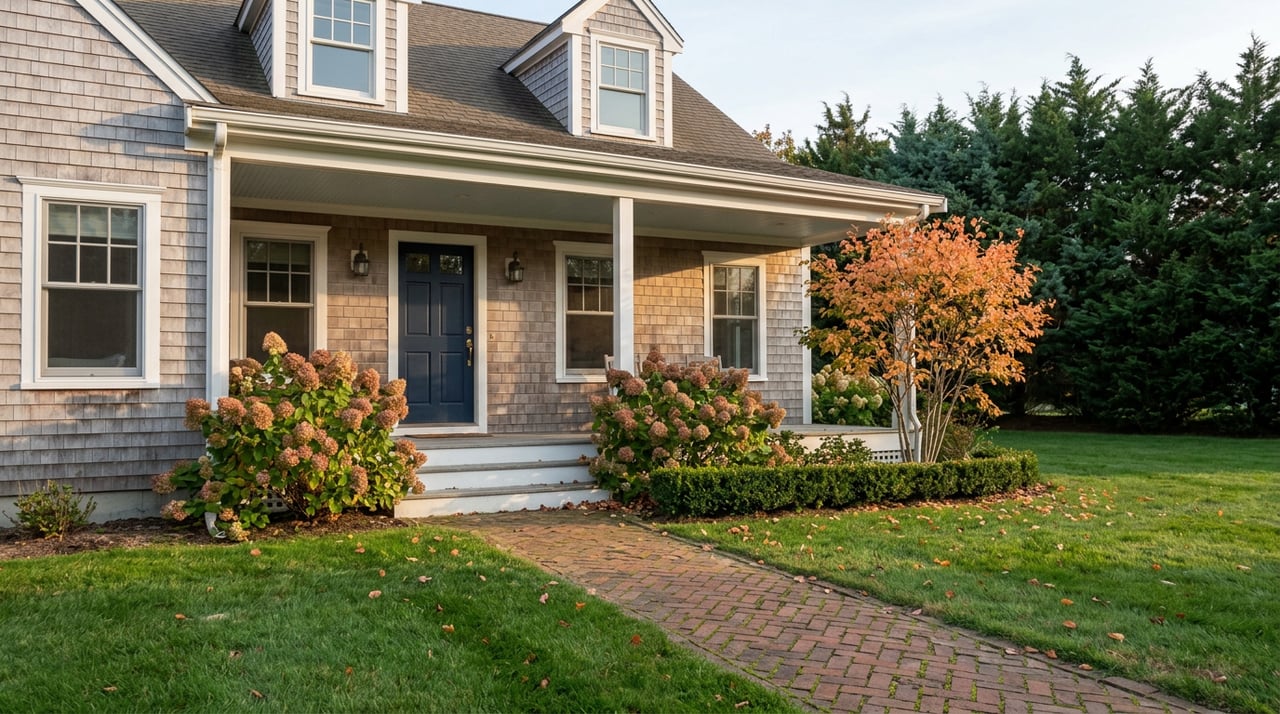
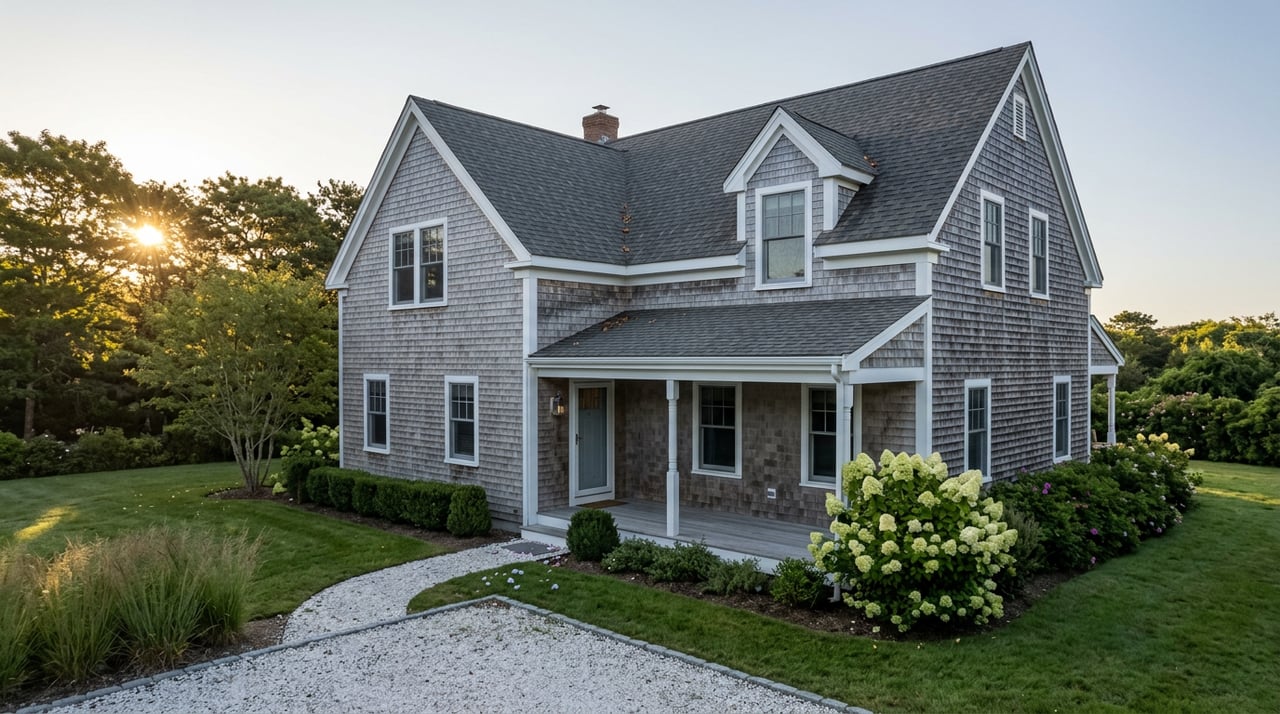
Because Harwich borders Nantucket Sound and has a large seasonal-home share, outdoor space can be part of your home’s appeal. Patios, decks, porches, and simple gathering areas may help buyers picture summer living right away.
Most buyers will meet your home online before they ever see it in person. That means your preparation should be guided by what the camera sees.
According to the 2025 Profile of Home Staging, 83% of buyers’ agents said staging made it easier for buyers to visualize a property as a future home. The same report found that photos were important to 73% of buyers’ agents and 88% of sellers’ agents.
Photos also tend to magnify clutter and grime. What feels normal in everyday life can look distracting in listing images, especially in bright natural light. A camera is simply less forgiving than the human eye.
If your time or budget is limited, prioritize the rooms buyers notice most. The rooms most often staged were the living room, primary bedroom, dining room, and kitchen. Those spaces usually do the heaviest work in both photos and showings.
For a summer listing in Harwich, the strongest presentation is often clean, bright, and calm. Buyers do not need a themed coastal look. They need a home that feels cared for, open, and easy to imagine as their own.
Good staging basics include:
This matters even more if your home is used seasonally or has a lot of personal vacation items stored throughout. A well-kept coastal property usually shows better than a highly personalized one.
Not every part of your home needs equal attention. For a Harwich summer sale, it often makes sense to focus energy on the areas that best support everyday comfort and warm-weather enjoyment.
Inside, that usually means the kitchen, living room, primary bedroom, and dining area. These spaces help buyers judge both function and atmosphere. If they feel bright, clean, and easy to use, the rest of the home often benefits.
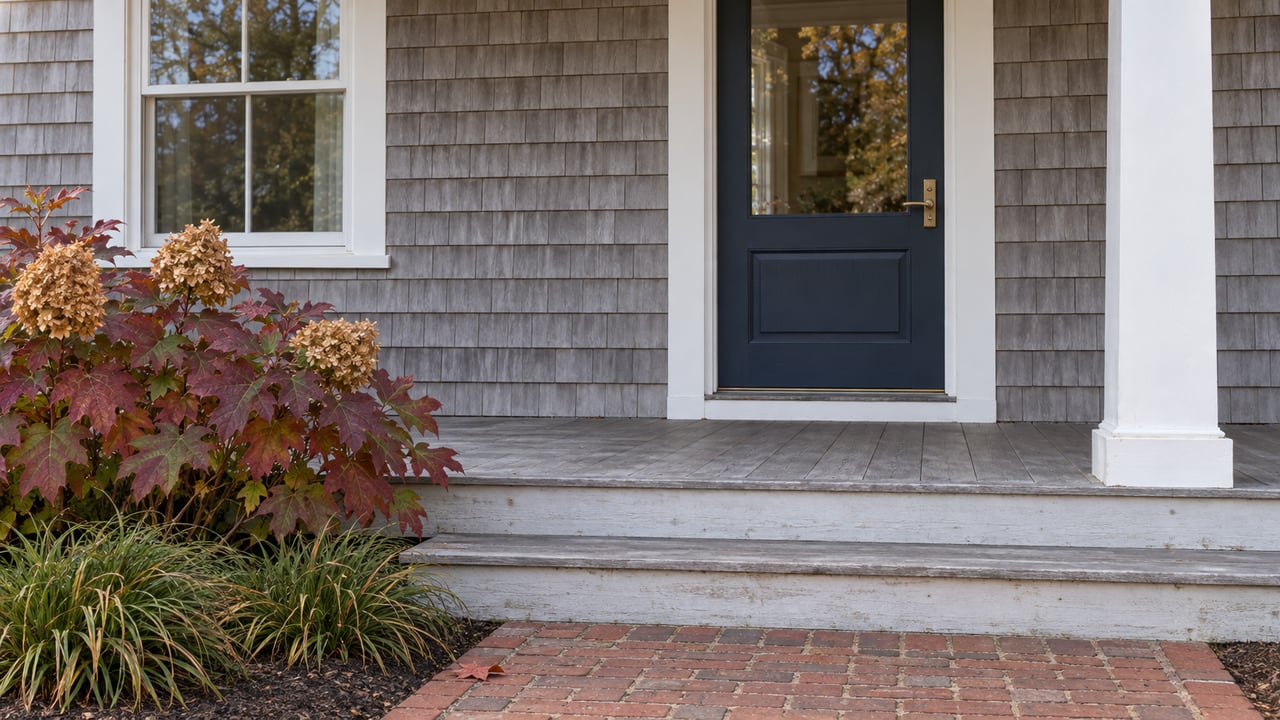
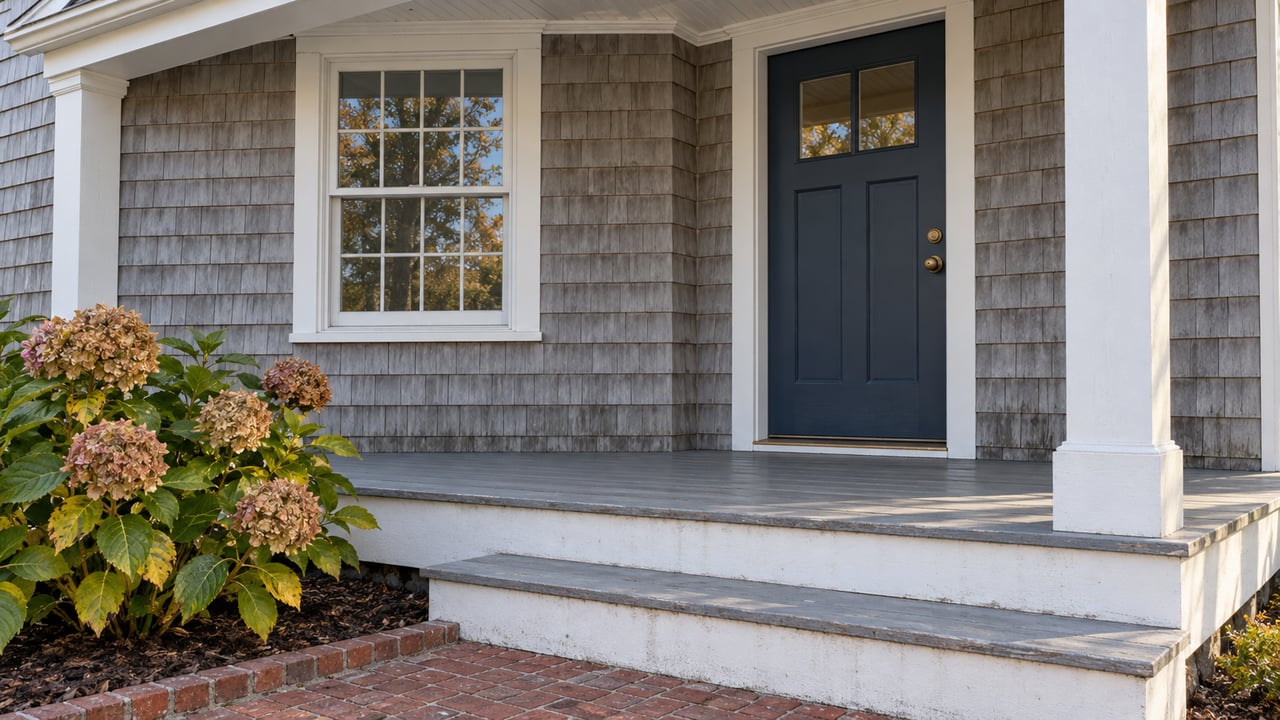
Outside, think about how your property lives in summer. A simple deck setup, a clean front entry, or a tidy backyard seating area can go a long way. In a market where many buyers may be thinking about second-home use or seasonal enjoyment, usable outdoor space can strengthen your listing story.
If you want a straightforward plan, start here:
The right plan depends on your property, price point, and timeline. But in Harwich, thoughtful preparation can help your home compete more effectively in a market where buyers are paying attention to condition, value, and ease of ownership.
If you are thinking about selling, a strategic pre-listing walkthrough can help you decide what is worth doing now and what can wait. For tailored guidance on preparing your Harwich home for the summer market, connect with Glenn Knapik.
Stay up to date on the latest real estate trends.


Get assistance in determining current property value, crafting a competitive offer, writing and negotiating a contract, and much more. Contact me today.